 Episode 1
Start Here: How to Export Organic Products from India
The full route from an Indian farm to an organic shipment abroad, in 20 episodes: what each gives you, where to begin, and why NPOP comes before anything else.
Read episode Episode 2
Who Runs NPOP: APEDA, NAB and Certification Bodies
The bodies behind NPOP certification and what each one decides: Department of Commerce, the Steering Committee, NAB, APEDA, certification bodies and Tracenet.
Read episode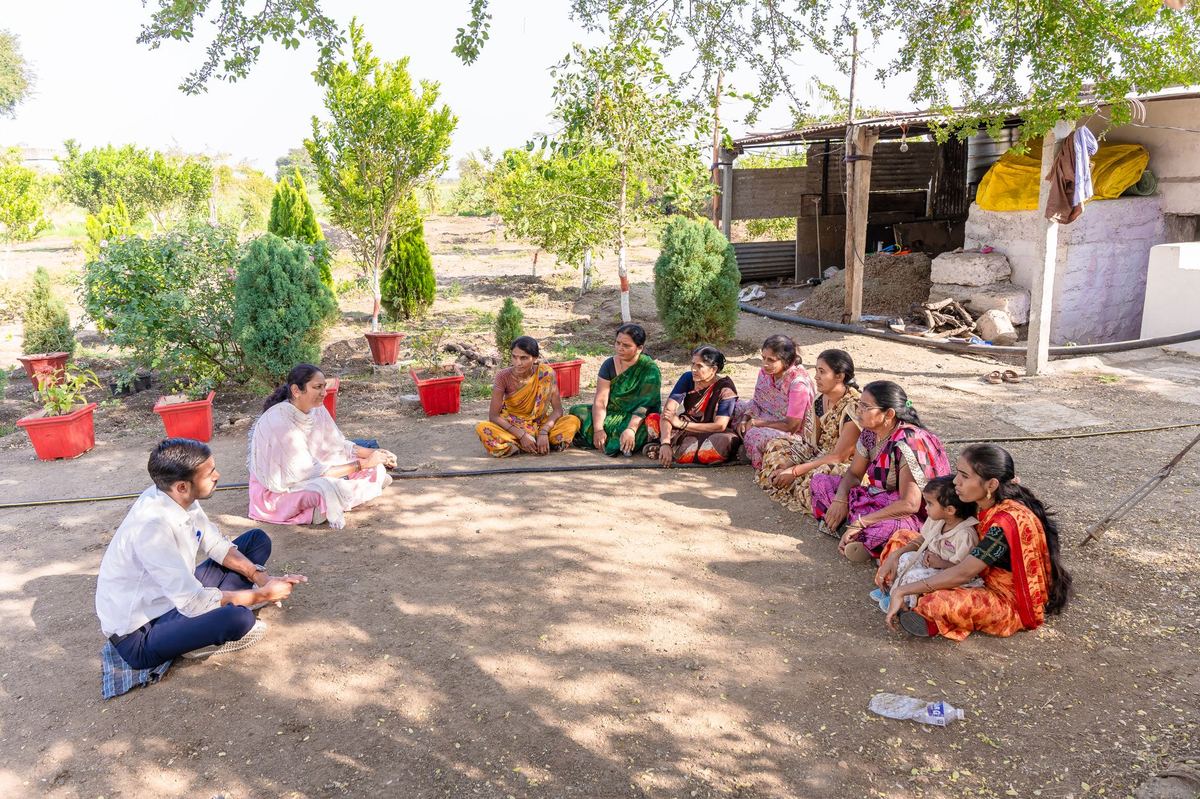 Episode 3
Which NPOP Certification Route Applies to You
NPOP certifies nine categories and four kinds of operator. How to tell which route you need, and the grower group rules that decide whether you qualify.
Read episode Episode 4
How to Choose an NPOP Certification Body
What to check before signing with an NPOP certification body: accreditation category, what the body owes you, and the timelines it has to work to.
Read episode Episode 5
Your First NPOP Inspection: What to Expect
How NPOP inspections work: annual visits, the extra 10% and unannounced 10%, how risk decides who gets visited, and where residue samples come from.
Read episode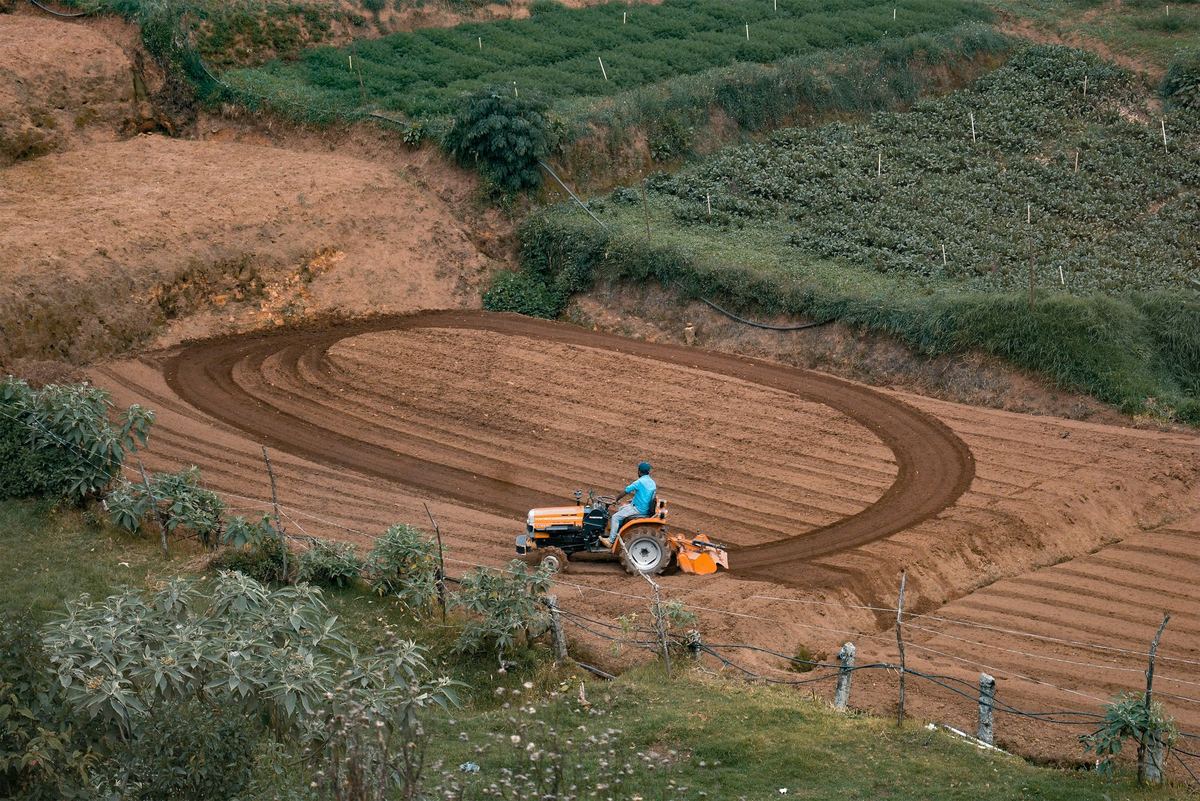 Episode 6
NPOP Conversion Periods and the PGS Derogation
How long conversion takes under NPOP, when the clock starts, and the derogation that lets three years of PGS certification count towards it.
Read episode Episode 7
Grower Group Certification and the ICS
How NPOP certifies farmer groups through an Internal Control System: inspector ratios, twice-yearly internal inspections, and the square-root sampling rule.
Read episode Episode 8
Certifying a Processing or Packing Unit
What NPOP requires from a unit that processes or packs organic products: the handling plan, separation from non-organic work, and approved ingredients.
Read episode Episode 9
NPOP Rules for Livestock, Bees, Aquaculture and Mushrooms
Conversion periods and key NPOP rules beyond crops: livestock, poultry, silkworms, bees, fish, mushrooms, seaweed, greenhouses and wild collection.
Read episode Episode 10
Scope Certificates and Transaction Certificates Explained
The two NPOP certificates every organic export depends on: what a scope certificate and a transaction certificate each prove, and how a PTC fits in.
Read episode Episode 11
TraceNet 2.0: How Organic Export Traceability Works
What APEDA's TraceNet does, who must use it, what TraceNet 2.0 changed in 2025, and why data you enter there is analysed rather than merely stored.
Read episode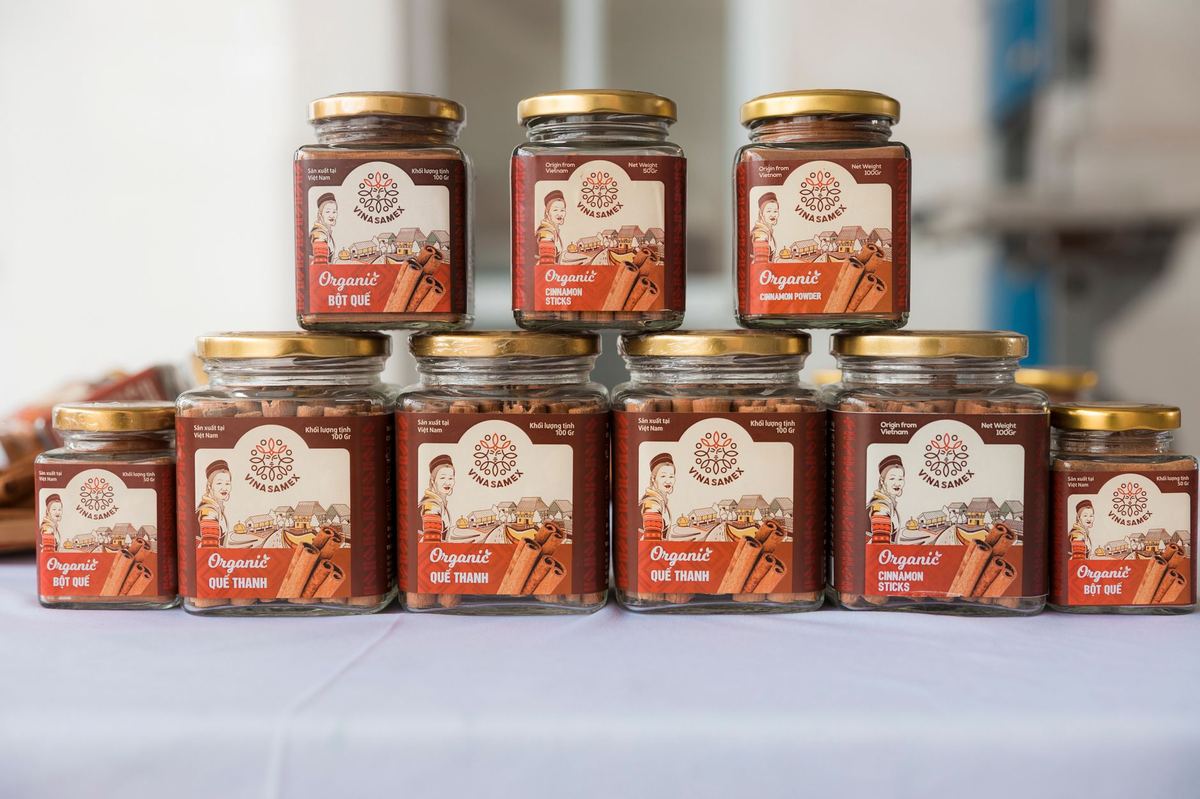 Episode 12
India Organic Logo and NPOP Labelling Rules
What an NPOP organic label must show, when a product may be called organic under the 95% and 70% rules, and the conditions on using the India Organic logo.
Read episode Episode 13
NPOP Records, Traceability and Mass Balance
The records an NPOP operator must keep, how certification bodies test the chain of custody, and why mass balance is the check that exposes fraud.
Read episode Episode 14
IEC, RCMC and APEDA Registration for Organic Exporters
The registrations an organic exporter needs before the first shipment: IEC from DGFT, RCMC from APEDA, and the DGFT notice that makes NPOP mandatory.
Read episode Episode 15
Exporting Organic Products to the EU from India
What the EU requires for Indian organic imports: the e-COI in TRACES, what India's recognition covers and what it does not, and the 2026 expiry question.
Read episode Episode 16
Exporting Organic to the US, UK, Switzerland and Taiwan
Destination rules beyond the EU: why US exports need USDA certification as well as NPOP, the UK's own COI, and the markets where NPOP is recognised.
Read episode Episode 17
Organic Export Shipping Documents: The Full Checklist
Every document an organic export consignment from India needs, who issues each one, and the order to get them in: TCs, customs, phytosanitary and COIs.
Read episode Episode 18
Residue Testing and Rejected Organic Consignments
How NPOP residue testing works — the 5% and 2% sampling rules, approved labs, destination parameters — and how to keep a consignment from being rejected.
Read episode Episode 19
Keeping NPOP Certification: Sanctions and Appeals
Staying certified under NPOP: the annual cycle, changing certification body with an NOC, how sanctions and withdrawal work, and the two levels of appeal.
Read episode Episode 20
Imported Organic Ingredients, Re-export and Your Checklist
NPOP rules for importing organic ingredients and re-exporting value-added products, then the full checklist for exporting organic from India, start to finish.
Read episode