Most of what is written about NPOP assumes a field crop. But the standard certifies eight production categories, and outside crop production the conversion periods, and the conditions attached to them, change completely. This episode sets out the rules category by category, from the NPOP 8th Edition.
How much the clock varies
- 0Conversion for wild bee colonies, and for silkworms fed organic feed
- 3 monthsOpen-water aquaculture, including bivalves
- 6 weeksEggs from poultry introduced onto already-organic land
- 24 monthsNon-drainable ponds (freshwater prawn, carps) and inland seaweed tanks
Conversion Periods at a Glance
For every category, the conversion period is counted from the date of the certification body's first inspection unless the standard says otherwise.
| Category | Conversion period |
|---|---|
| Annual and biennial crops | 2 years of organic management before sowing |
| Perennial crops | 3 years before the first harvest is certifiable |
| Livestock land (pasture, feed, fodder) | 12 months, where land and herd convert together |
| Silkworms | None, if the larvae are fed organic feed grown in compliance for at least 12 months, for their whole lifespan |
| Reared bee colonies | 12 months (none for bees living wild in natural conditions) |
| Aquaculture | 3 to 24 months, depending on the water system (see below) |
| Mushrooms | 12 months for existing systems; new installations need two or more organic production cycles before sale |
| Seaweed | 6 months on the seacoast; 24 months in inland tanks, reducible to 12 if the land was never cultivated |
| Aquatic plants and algae | 6 months or one production cycle, whichever is more |
| Greenhouse crops | The same as field crops, including conversion of the land |
Calculate the earliest completion date for your own category:
This interactive tool needs JavaScript. The rules it applies are set out in the text of this episode.
Livestock and Poultry
NPOP's preferred route is simultaneous conversion of the animals and the land that feeds them. Feed and fodder land must itself be certified organic under the crop rules; while a whole herd, flock or batch is in transition, pasture and feed from land that has completed at least 12 months of conversion may be fed to it as organic.
Where the land is already organic and animals are brought in from a non-organic source, they must be reared under the standard for a minimum period before their products can be sold as organic:
| Animal | Product | Minimum period |
|---|---|---|
| Cattle and buffalo | Meat | 12 months, and at least three-quarters of their lifespan in the organic system |
| Calves for meat | 6 months, if brought in as soon as weaned and under 6 months old | |
| Milk | 6 months | |
| Sheep and goats | Meat and milk | 6 months each |
| Pigs | Meat | 6 months |
| Rabbits and small mammals | Meat | From the second week after birth, for the whole lifespan |
| Poultry | Meat | From the second day after hatching, for the whole lifespan |
| Eggs | 6 weeks |
Pullets reared from over three days old must also meet the standard's housing and stocking-density rules, indoors and out.
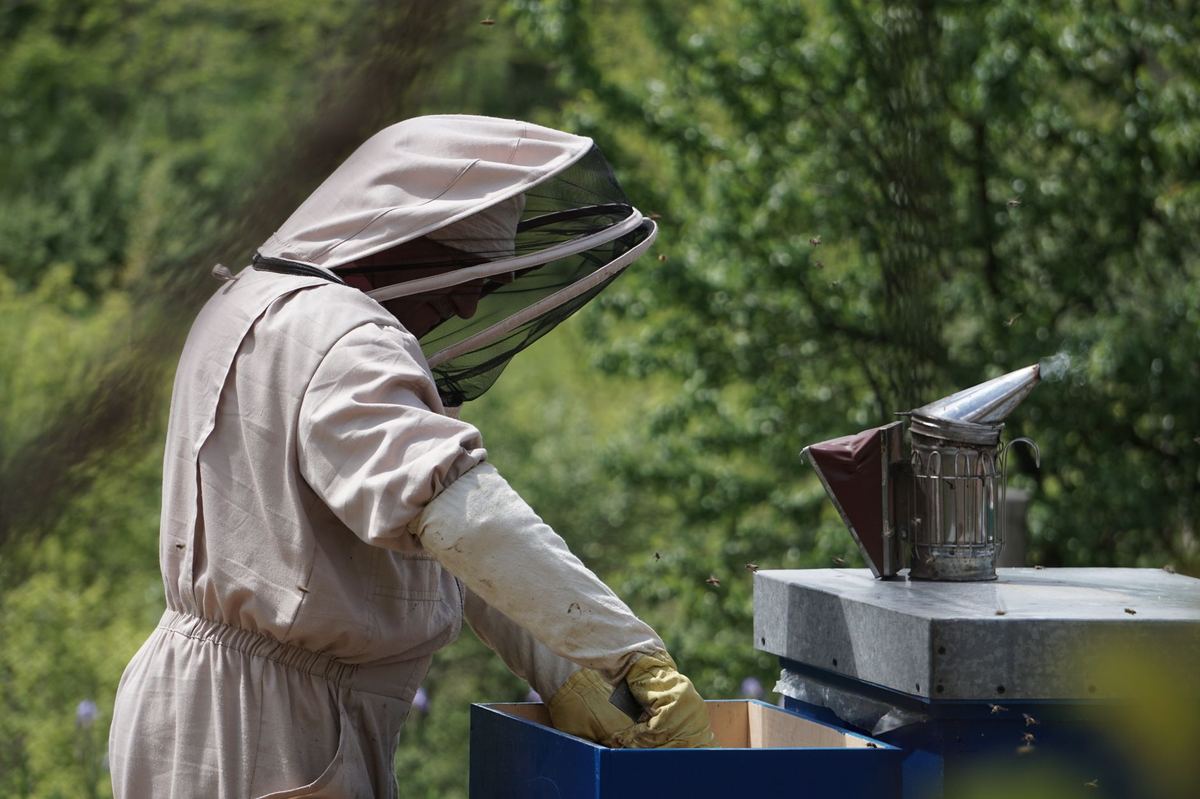
Beekeeping
- No conversion period applies to bees grown in the wild and in natural conditions.
- Reared colonies and apiaries convert over 12 months, kept in isolation, with foundation comb made from organic wax.
- Hives must be made primarily of natural materials, and construction materials with potentially toxic effects are prohibited.
Aquaculture
The period depends on whether the water can be drained, cleaned and rested:
| System | Conversion |
|---|---|
| Open water, including bivalve molluscs | 3 months |
| Drainable, cleaned and disinfected | 6 months or one crop, whichever is longer |
| Drainable and fallowed | 12 months |
| Non-drainable, cannot be disinfected (freshwater prawn, carps) | 24 months |
As an exception, a farm that followed organic principles earlier may have that period recognised retroactively, supported by farm records. Separation from non-organic units must be maintained, and aquaculture grower groups need only 10 members rather than 25.
Mushrooms, Seaweed and Greenhouses
- Mushrooms: existing production converting to organic needs at least 12 months from first inspection. A brand-new installation built to the standard must complete two or more production cycles under organic conditions before anything is sold as organic.
- Seaweed: sale as organic is allowed six months after first inspection on the seacoast, and 24 months after production starts in inland tanks — reducible to 12 months if the land the tanks stand on was never used for cultivation. Organic and non-organic units need separate facilities, equipment, storage and drying beds.
- Greenhouses: all crop-production rules apply, including land conversion. Parallel or split production under the same greenhouse is prohibited.
Hydroponic and aeroponic systems cannot be certified under NPOP. Plants fed principally through soluble fertilisers in water are not grown in healthy, complex soil ecology, which the standard treats as fundamental. Growing media in greenhouses must be in contact with, or mixed with, soil.
Wild Collection and Forest Produce
Wild plants and forest produce can be certified organic if the collection area has received no treatment with non-permitted products. The conditions are strict:
- Collection must come from a designated area, clearly shown on a map authorised by the forest department or state department, and that area is subject to inspection.
- Harvesting must not exceed the sustainable yield of the ecosystem or threaten any plant or animal species.
- For minor forest produce, the relevant state or UT law applies.
- Products and ingredients derived from wild production must be declared as such on the label.
Whatever the category, your certification body must be accredited for it — see which certification route applies to you. For the domestic PGS-India equivalents of the livestock and bee rules, see PGS-India livestock conversion and PGS-India beekeeping standards. KrushiFlow validates these fields and submits farmer records to the portal in bulk.