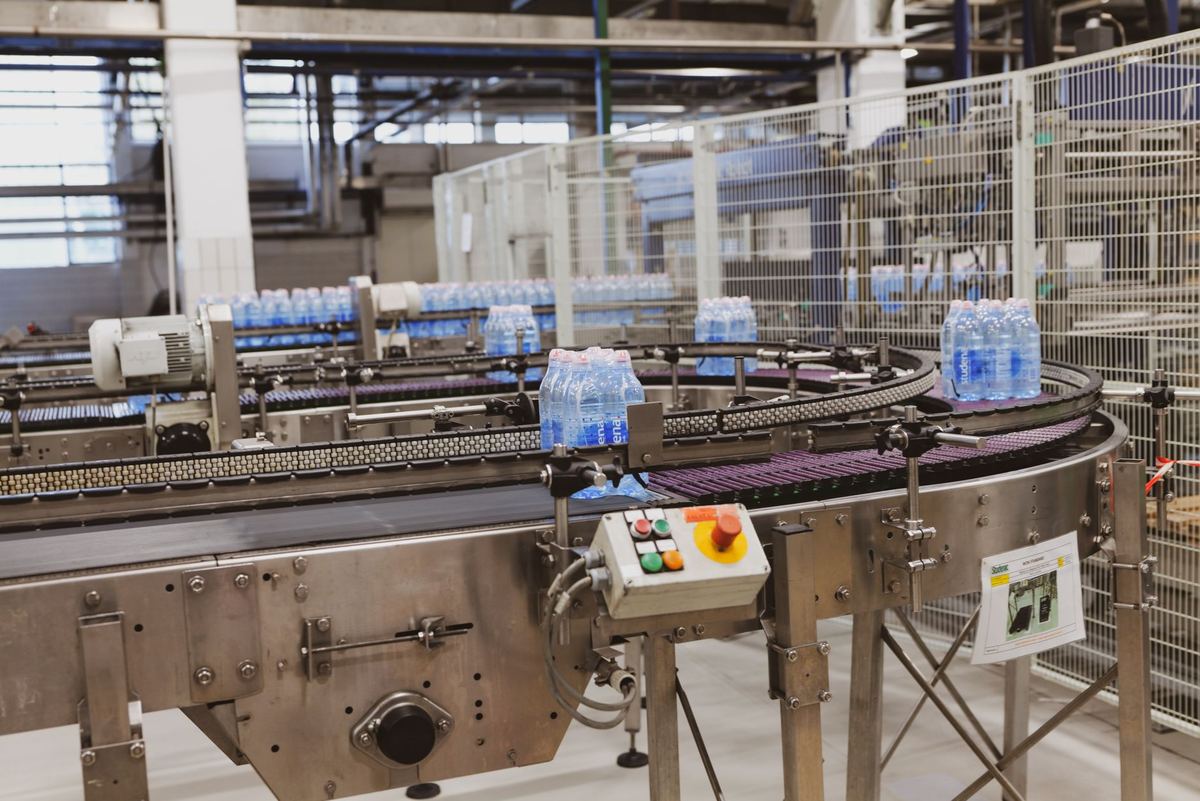
A farm's certificate covers what leaves the farm. The moment produce is cleaned, graded, milled, packed or blended in a unit, a second certification comes into play — and the unit is inspected on its own terms.
What a certified unit must have
- A planAn organic production and handling plan, in writing
- SeparationOrganic work separated from non-organic in time or place
- AnnexesIngredients and additives only as permitted under NPOP's own annexes
- RecordsA record system that lets the certification body retrieve what it needs
The Organic Production and Handling Plan
NPOP requires the operator to develop a plan covering six things:
- A description of the practices and procedures to be performed.
- A list of substances and inputs used during production, storage and handling — with composition, source, the locations where each will be used, and documentation of commercial availability where applicable.
- A description of the monitoring practices and procedures used to verify the plan is effectively implemented.
- A description of the record-keeping system implemented to comply with NPOP.
- A description of the management practices and separation measures established to prevent commingling of organic and non-organic products during parallel processing and handling.
- Identification of pollution sources, with contamination prevented.
The permitted ingredients and additives for food processing are not a matter of judgement: they are listed in NPOP's Annexes 3(17) and 3(18), with conditions for their use. An ingredient that is not in the annex is not usable in a certified organic product, however natural it sounds.
Annex 3(17) has been amended since the 8th Edition was published. Before formulating a product, check the current annex on the APEDA NPOP site rather than an older PDF — the list is the kind of thing that changes without the rest of the document changing around it.
Parallel Processing Is the Hard Part
Most Indian units do not run organic lines exclusively. NPOP's answer is separation: processing and handling of organic products should be done separately in time or place from non-organic work. In practice that means one of two disciplines:
| Approach | What it demands |
|---|---|
| Separation in place | Dedicated lines, equipment or rooms for organic work, with storage that cannot mix |
| Separation in time | Scheduled organic runs with documented cleaning between, and records showing the sequence |
Either way the unit must be able to show the certification body, from records alone, that a given organic batch could not have been contaminated by the conventional run before it.
What the Inspector Will Follow
+ its transaction certificate"] --> B["Receipt and
storage records"] B --> C["Processing run
(separated in time or place)"] C --> D["Yield, waste and
batch records"] D --> E["Packed product
and label"] E --> F["Outgoing transaction
certificate"]
The test applied at each step is mass balance: the organic material that went in has to account for the organic product that came out, allowing for documented losses. A unit that cannot reconcile those numbers has, on the face of it, either poor records or more organic product than it has organic input for.
Keep the waste and loss figures honestly. Unrecorded processing loss is what creates phantom organic stock in the ledger, and phantom stock is what turns a routine audit into an investigation.
Before the First Inspection
- Write the handling plan properly — it is a document the inspector reads, not a formality.
- Check every ingredient and additive against the current annexes.
- Decide and document your separation approach, including cleaning between runs.
- Set up batch records that link incoming transaction certificates to outgoing ones.
- Identify contamination sources — pest control products, lubricants, shared storage, packaging materials.
Related reading on the record-keeping side: NPOP ICS records and keeping records audit-ready. Next chapter: the certificates themselves — scope certificates, transaction certificates and Tracenet. KrushiFlow validates these fields and submits farmer records to the portal in bulk.