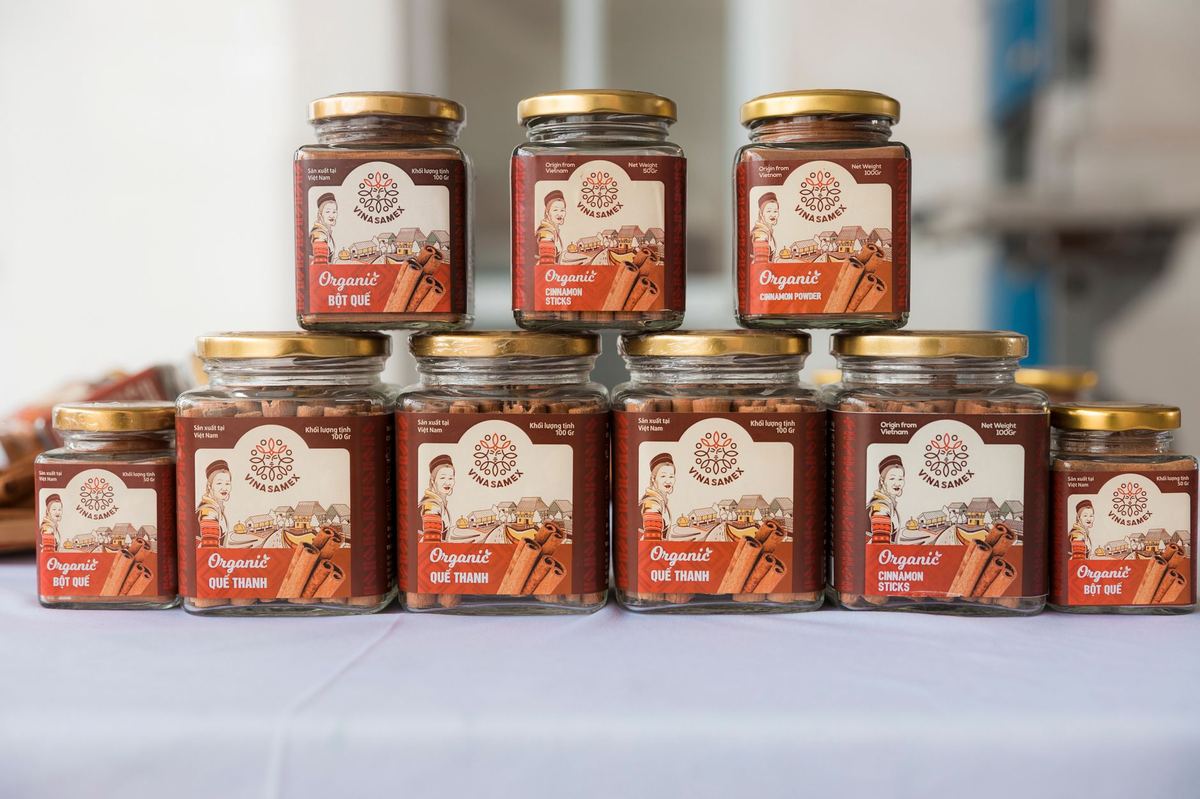
A label is the one part of the certification chain the buyer holds in their hand. NPOP treats it accordingly: what the label may claim depends on exactly what was certified, and your certification body must approve the label before you use it.
The labelling thresholds
- 95%+Organic ingredients — may be labelled "Certified Organic"
- 70–95%"Made with organic ingredients", with the proportion stated — never "Organic"
- Under 70%Organic ingredients may be named only in the ingredient list
- ApprovalYour certification body approves every label before it is used
What Every Label Must Do
- Convey clear and accurate information on the organic status of the product.
- Where the standard is met in full, describe the product as "produce of organic agriculture" or similar.
- Make conversion products clearly distinguishable from organic ones, by stating the year of conversion.
- Name the person or company legally responsible for production or processing, with their address.
- List processing procedures that change the product's properties in ways not immediately obvious, and declare all components of additives and processing aids.
- Declare ingredients or products derived from wild production as such.
Multi-Ingredient Products: the 95% and 70% Rules
A single-ingredient product may be labelled "Organic" once all the standard's requirements are met. For multi-ingredient products, the claim depends on the share of certified organic ingredients by raw-material weight:
| Organic share | What the label may say |
|---|---|
| 95% or more | "Certified Organic" or similar, carrying the logo of the certification programme |
| 70% to under 95% | Not "Organic". The principal display may say "made with organic ingredients", with a clear statement of the proportion, and an indication that the product is covered by the certification programme placed close to it |
| Under 70% | Not "Organic". Organic ingredients may be identified only in the ingredient list |
Three calculation rules catch people out. Added water and salt are excluded from the percentage. All raw materials must be listed in order of weight, with the organic ones identifiable and additives given their full names. And herbs or spices under 2% of total weight may be listed simply as "spices" or "herbs", without a percentage.
Enter your product's figures to see what its label may say:
This interactive tool needs JavaScript. The rules it applies are set out in the text of this episode.
What the Label Must Carry
A certified organic product's label must show the name and logo of the certification body, its accreditation number, and the India Organic logo. The certification body verifies the labelling requirements and approves the labels of its certified operators before they are used.
Two further rules. Because GMOs and their derivatives are not permitted under NPOP, organic products should not be labelled "GM-free" or similar — the claim is misleading — unless the importing country requires it. And where the importing country's own regulations govern private labelling, the certification body approves labels to those requirements, provided the product stays traceable at every stage of handling.
The India Organic Logo
The India Organic logo is a certification trademark owned by the Government of India. On a product it indicates that the product has been duly certified by a certification body under NPOP — produced, processed, packed and transacted under the programme.
- A licence to use it is granted to producers, manufacturers, processors and exporters whose products are duly certified under NPOP, on the basis of compliance with the standards.
- It is normally used in colour. The black-and-white version is an exception, allowed only at the primary production level, where colour is not feasible, and only with prior written permission from the certification body for the products and scope named.
- It may not be used on in-conversion products.
Misuse is a disciplinary matter. Certification bodies must act against incorrect references to the certification system and misleading use of licences, certificates or marks — and NPOP applies that to use by non-certified operators as well.
If You Also Sell in India
Organic food sold in the domestic market is regulated separately, by FSSAI under the Food Safety and Standards (Organic Foods) Regulations 2017, which recognise both NPOP and PGS-India certification. Domestic organic labels carry FSSAI's Jaivik Bharat mark alongside the certification mark. A product destined for both markets needs a label that satisfies both sets of rules — or two labels.
For how the same thresholds work under PGS-India, see the PGS-India 95% rule. KrushiFlow validates these fields and submits farmer records to the portal in bulk.