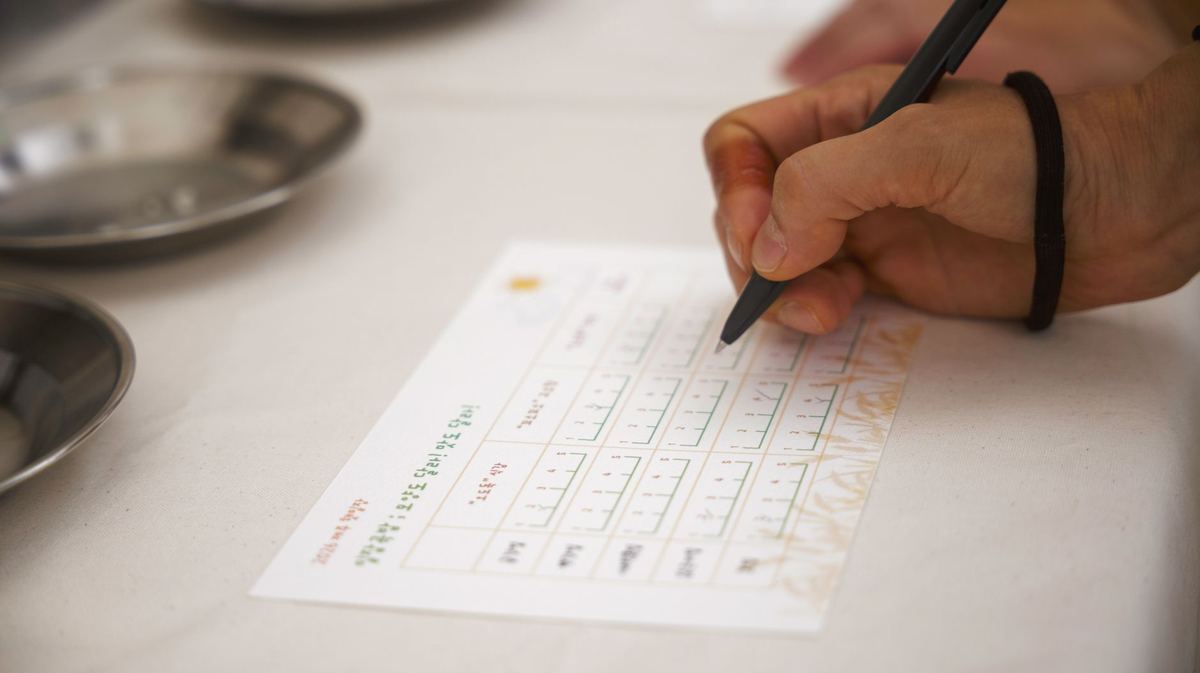
Imagine this: an NPOP auditor is visiting your FPO. They ask for your records for the last two years. Your heart sinks a little. You remember all the handwritten registers, the missing bills, the scramble last year. It feels like a big mountain to climb. Many FPOs and farmers feel this way.

It’s a common struggle. Tracking organic inputs across many fields is tough. Showing perfect crop rotation records is harder. Manual record-keeping often leads to errors. This can cause big worries. You fear losing your NPOP certification. But what if there was an easier way?

This article is for you. We will make sense of NPOP input tracking FPO needs. We will simplify organic crop rotation records. Our goal is to ensure your FPO NPOP compliance records are perfect. This means audit success organic farming for everyone.

1. Keeping Track of Every Organic Input

One of the biggest problems for FPOs is accurate NPOP input tracking FPO wide. You have many farmers. Each farmer uses different inputs. All these must meet NPOP standards. An auditor will check every single one. Manual records often miss details. This can lead to NPOP audit non-conformities.

Let's make this simple. Think of it like a checklist for every input.

  1. Know Your Approved Inputs: First, list all inputs allowed by NPOP. Your accredited certifier can guide you. Only use these approved products. Keep this list handy for your farmers.
  2. Record Every Use: For every input used, write it down immediately. This is very important. What details do you need?
    • Date of application.
    • Farmer's name.
    • Specific field ID (e.g., Plot 3B).
    • Crop applied to (e.g., wheat in Punjab).
    • Quantity used (e.g., 50 kg of organic manure).
    • Exact product name (e.g., Jeevamrut prepared on-farm).
    • The source or supplier of the input.
  3. Keep All Bills: Every single purchase bill for inputs is proof. Store them safely. If you make inputs on the farm, record ingredients and batch details.
  4. Go Digital: Paper registers can get lost or damaged. Digital farm records NPOP solutions make input tracking easy. Imagine all your farmers' input data in one place. This saves a lot of time during audits.

For example, a farmer in Maharashtra might use a specific organic pest control for their turmeric crop. Record this application. Note the date and quantity. This small step helps immensely during an NPOP audit.

2. Mastering Your Organic Crop Rotation Records

NPOP standards require good crop rotation. This helps maintain soil health. It also controls pests naturally. But proving you follow these rules can be hard. Auditors want to see a clear history. They need to understand your organic crop rotation records.

Many FPOs find it hard to show this adherence. They struggle to demonstrate proper rotation patterns across multiple fields. This can cause problems during an audit.

Here’s how to create excellent crop rotation records:

  1. Understand the Rule: NPOP says you cannot grow the same crop repeatedly. You must rotate different types of crops. This prevents soil nutrient depletion. It also breaks pest cycles.
  2. Maintain Field History: For each plot of land, keep a detailed history. What was grown there last year? What about the year before?
  3. Record Crop Sequence Clearly: Create a simple table or list for each field.
    • Year (e.g., 2022-23)
    • Plot ID (e.g., Field No. 12)
    • Crop Planted (e.g., Wheat, then Moong Dal)
  4. Include Diversity: Don't forget intercropping. If a Karnataka farmer plants tomatoes and marigolds together, record both. Cover crops also count. They show good farming practice.
  5. Plan Ahead: Show your planned rotation for the next season too. This proves you are thinking long-term.
Good records are not just paperwork; they are your farm's story, told clearly for the world. They build trust and secure your organic future.

Think about a farmer in Punjab. If they grow wheat every year, it's not good rotation. They need to follow wheat with a leguminous crop like chana or lentils. Your records must reflect this. This makes your FPO NPOP compliance records strong.

3. Streamlining Your FPO NPOP Compliance Records with Digital Tools

The biggest challenge is often a lack of a streamlined system. Manual record-keeping leads to errors. It also takes too much time. This fear of losing NPOP certification due to disorganized data is real. But digital solutions can change everything.

Moving from paper to digital farm records NPOP is a game-changer. It helps ensure audit success organic farming easily.

  1. Stop Using Paper Registers: They are hard to manage for many farmers. They get misplaced. Information is not easily shared.
  2. Adopt a Simple Digital System: Look for a farm management software. It should be easy to use. It should be designed for Indian farmers. This helps centralize all your data.
  3. Centralize All Farmer Data: All input records, crop rotation history, harvest details – put it all in one digital place. This is crucial for FPO NPOP compliance records. You can see all your farmers' data at a glance.
  4. Update Records Regularly: Make it a weekly habit. Or even daily. Don't wait until audit time. This saves countless hours of frantic searching later. A Maharashtra FPO can save 3 hours a week on data entry this way.
  5. Practice for Audits: Once your digital system is running, do a 'mock audit'. Go through your records as if an auditor is present. Check for missing information. This prepares you well.
  6. Connect to Portals: Your digital records can help with reporting to government portals. This includes apeda.gov.in (Tracenet) or pgsindia-ncof.gov.in. This makes compliance smoother.

Imagine registering 50 farmers in one day with all their field and crop details. A good digital system makes this possible. It turns a scary audit into a smooth, simple process. You gain peace of mind. Your FPO strengthens its reputation. This ensures audit success organic farming.


Good records are not a burden. They are your best friends in organic farming. They are the key to NPOP compliance. They ensure your FPO thrives. They secure your NPOP certification. By carefully tracking inputs and rotations, you build a strong foundation. This leads to confident audit success organic farming for your FPO. For the broader plot-level record system these inputs feed into, see our guide to keeping FPO plot records audit-ready.

Ready to make your NPOP audits smooth? Try KrushiFlow today. It’s built for farmers like yours, right here in India. See how easy managing digital farm records NPOP can be for your FPO.