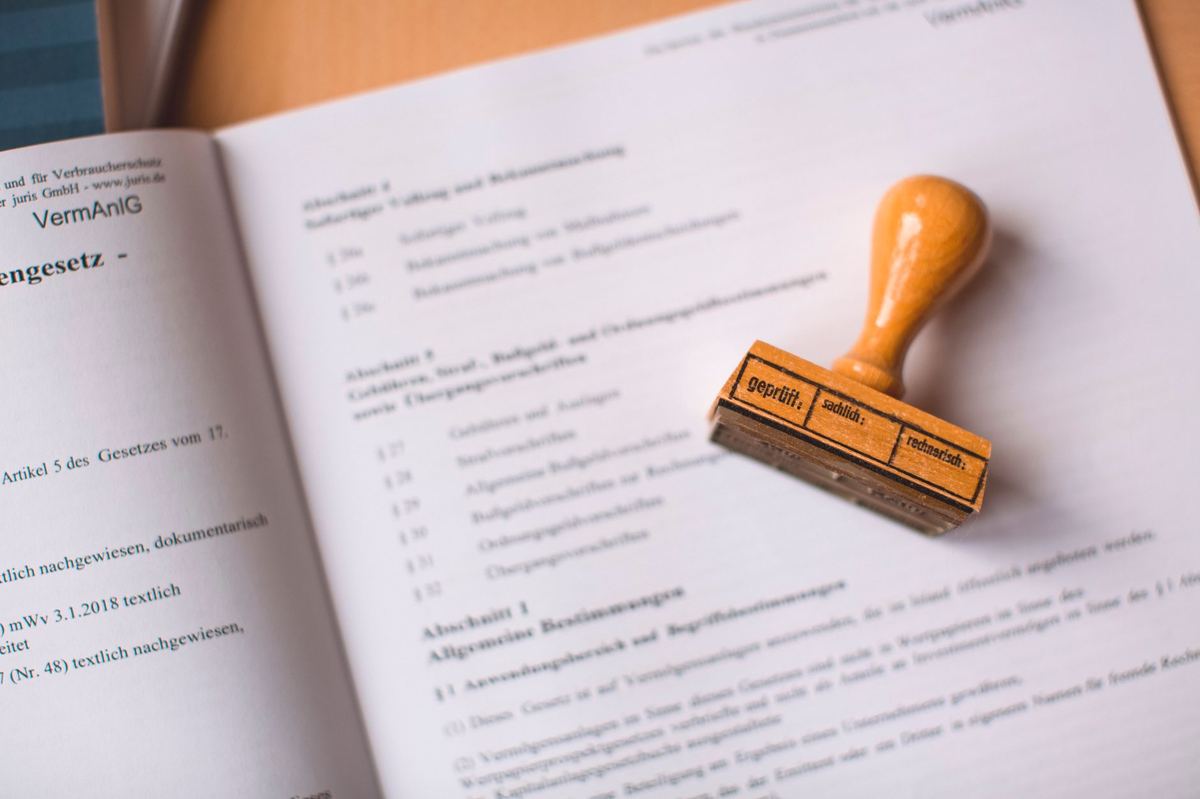
Land record names differ from state to state, and Certification Bodies expect the record that is standard where the farm lies. This episode lists the common records by state, how to handle leased land, and the checks that prevent land-related queries.
The short version
- Use the land record standard in your state: 7/12, khatauni, patta, RTC, jamabandi or RoR.
- The farmer's name must match the identity documents exactly.
- Leased land needs a lease covering the certification period, stamped as your state requires.
- The area claimed must not exceed the area on the record.
Common Land Records by State
Each state uses its own record of rights; collect the one standard in the farm's state.
| State | Common land record |
|---|---|
| Maharashtra, Gujarat | 7/12 extract (Satbara) |
| Uttar Pradesh | Khatauni |
| Madhya Pradesh | Khasra and B-1 |
| Rajasthan, Punjab, Haryana | Jamabandi |
| Karnataka | RTC (Pahani) |
| Telangana | Pahani |
| Tamil Nadu | Patta and chitta |
| Andhra Pradesh | Adangal and 1-B |
| Odisha, Bihar, West Bengal | Record of Rights (khatian) |
This table is a guide to common names, not a legal list. Ask your Certification Body which documents it accepts, and how recent the copy must be.
Leased Land
A lease should name the survey numbers, cover the certification period, and follow your state's stamp and registration rules.
- Get the owner's land record.A copy of the record for each leased survey number.
- Write the lease.On stamp paper of the value your state prescribes, naming every survey and sub-survey number.
- Cover the period.The lease should cover the conversion and certification period you are seeking.
- Renew in time.When a lease ends, give the Certification Body the renewed agreement.
Checks That Prevent Queries
Area, survey number and name must match the land record exactly.
- Area: the area claimed must not exceed the area on the land record.
- Survey number: copy it exactly, including sub-numbers and punctuation.
- Name: the same spelling as on the identity documents.
- Current record: use a recent copy, since partition or sale changes the record.
Illustrative workload. At about two minutes per farmer, 350 farmers take nearly 12 hours to check.
Check yourself
Tap an answer to see whether you are right, and why.
Which land record is standard in Maharashtra?
- Patta
- 7/12 extract
- Jamabandi
Patta is used in Tamil Nadu; jamabandi in Rajasthan, Punjab and Haryana.
A farmer claims 2 hectares, but the land record shows 1.6. What do you do?
- Accept 2
- Register no more than 1.6
- Ignore the record
The area claimed must not exceed the record.
Remember these things
- Use your state's standard record.
- Leases cover the certification period.
- Area must not exceed the record.
- Copy survey numbers exactly.
The right land record, checked carefully, removes the most common certification query. KrushiFlow validates these fields and submits farmer records to the portal in bulk.