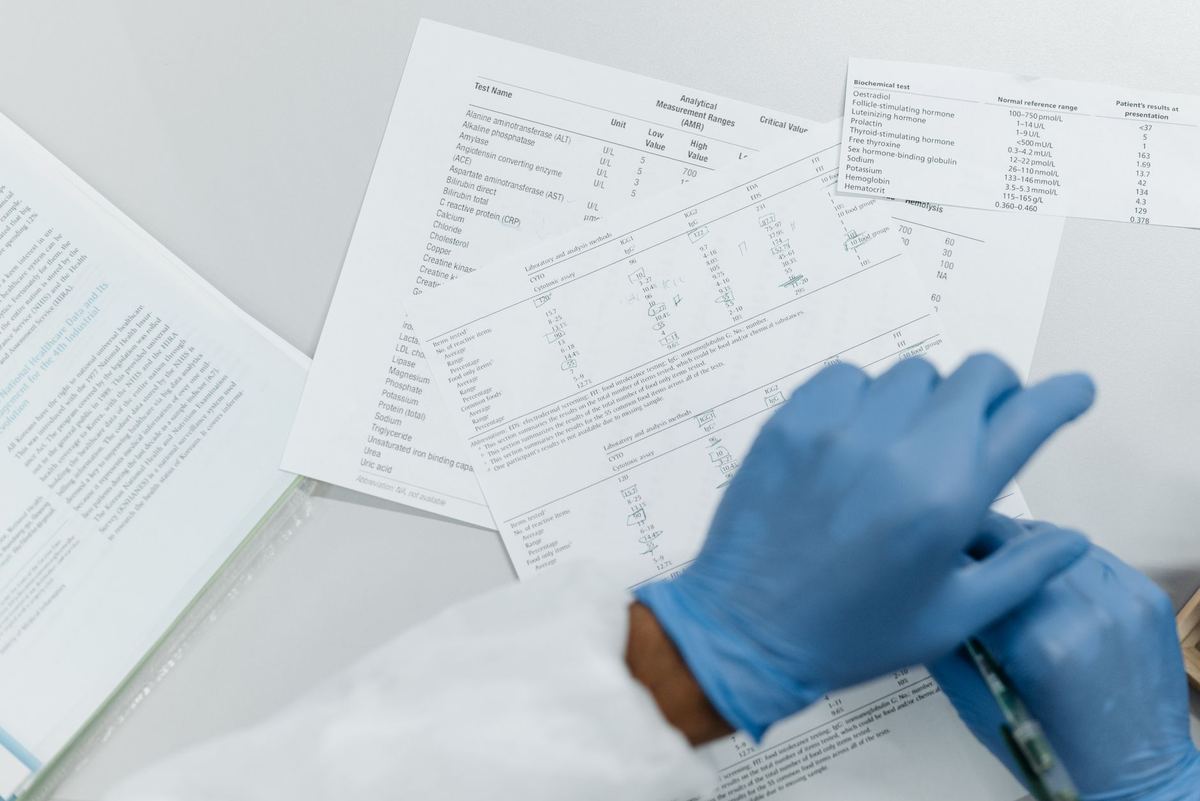
Regional Council members under the Participatory Guarantee System (PGS) regularly process organic verification files on the central portal. A recurring obstacle occurs during the submission of chemical residue laboratory analyses. When test documentation fails validation, farmer groups cannot advance toward certification renewal.
Regional Councils handling groups under Paramparagat Krishi Vikas Yojana (PKVY) and the National Mission on Natural Farming (NMNF) must ensure residue documentation matches central records. Errors during data entry delay group endorsements and stall certification issuance.
This technical guide explains how to resolve three primary portal issues: unlisted testing laboratories, upload rejections caused by file formatting, and mapping single cluster reports across member plots.
Resolving Missing Testing Laboratories in Portal Records
When entering a laboratory Certificate of Analysis (CoA), Regional Councils must select the testing facility from a fixed dropdown list. A common pgs portal lab report error occurs when an accredited facility does not appear in this menu, leaving the entry form incomplete.
The portal derives its list from accredited testing facilities approved by the National Centre for Organic and Natural Farming (NCOF) and the Agricultural and Processed Food Products Export Development Authority (APEDA). If an authorized laboratory is absent, Regional Councils cannot bypass the selection manually.
Follow these manual steps to address an unlisted facility:
- Verify that the facility holds active NABL accreditation and APEDA recognition for pesticide residue testing. Check the approval certificate number printed on the laboratory report.
- Cross-reference the testing facility name on apeda.gov.in to confirm the official registered spelling and branch location.
- Do not select a different branch or an unrelated laboratory as a temporary workaround. Mismatched lab details cause immediate rejection during regional audit reviews.
- Draft an official administrative request to the NCOF helpdesk via the portal support module. Include the laboratory name, NABL accreditation certificate, APEDA recognition number, and full laboratory address.
- Retain the draft Local Group file until the portal database updates the laboratory registry.
Regional council pgs residue testing procedures require testing only through laboratories officially recognized by NCOF or APEDA for organic residue analysis.
Resolving Certificate of Analysis PDF Upload Failures
The portal enforces strict constraints on supporting files. An upload failure during the pgs india residue test upload step typically stems from non-compliant document formats or file sizes exceeding the 2MB threshold.
Laboratories frequently issue multi-page digital test reports containing high-resolution color letterheads and digital signatures. These documents often measure between 5MB and 10MB, which causes the portal upload script to drop the connection without saving entered data.
To manually format and upload a test certificate:
- Inspect the document file extension. Ensure the document is a standard PDF file. Formats such as TIFF, JPEG, or password-protected PDFs fail automatically.
- Remove unnecessary annexures. Keep only the final analytical summary page showing sample identity, tested parameters, limits of quantification, and final authorized signatures.
- Use a local PDF utility to compress the document below 1.8MB to maintain a safety margin below the 2MB server limit.
- Flatten the PDF to remove interactive form fields or embedded dynamic signature containers that block portal parsers.
- Upload the compressed, flattened PDF to the document repository and verify the file preview opens cleanly before saving the record.
Mapping Cluster Residue Test Reports Across Member Plots
In group certification models under PKVY and NMNF, residue testing is often conducted on composite samples representing an entire cluster. A frequent issue arises when an operator attaches the report to one farmer profile, leaving neighboring group plots marked with a pending residue status.
When this occurs, the Local Group remains frozen in residue verification pending status. Regional Councils must manually link the shared test record to all member plots covered by the cluster sample.
Follow this procedure to distribute cluster test results:
- Open the Local Group administration menu on pgsindia-ncof.gov.in and select the specific appraisal cycle.
- Locate the composite testing entry section under regional council pgs residue testing management.
- Enter the master Certificate of Analysis reference number, testing date, and compliance outcome.
- Select each farmer plot associated with that physical composite sample. Ensure plot identifiers match the physical collection sheet signed by the peer appraisal committee.
- Save the distribution map and verify that each associated farmer record reflects the linked certificate number.
Verifying sample codes and manually linking plot numbers takes about two minutes per farmer. For a single group of 20 farmers, this requires forty minutes of manual verification. For an FPO operating across 15 clusters with 750 farmers, cross-referencing and mapping individual plot IDs requires over 25 hours of focused administrative entry.
Regional Councils must follow these pgs organic lab test guidelines systematically to maintain compliance and avoid audit sanctions from NCOF. Once data mapping is complete, verify the Local Group summary page to ensure no member plot remains unlinked. KrushiFlow automates residue report compression and links cluster test records across farmer groups on the portal.