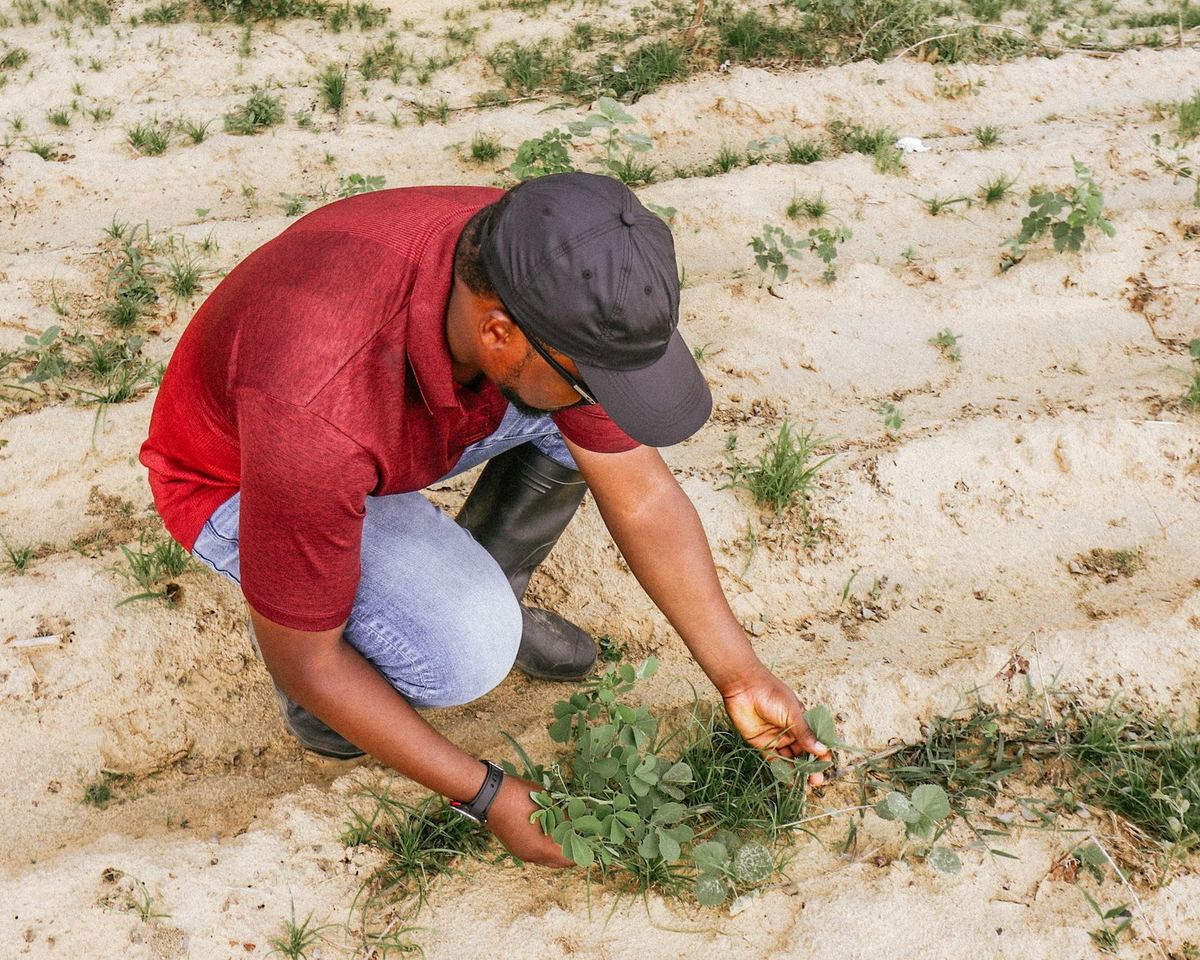
Peer appraisal is farmers checking each other's fields, and its records must reach the portal intact. This guide covers planning the visits, keeping field data consistent, and handling portal rejections.
The short version
- Plan appraisal teams and forms before the field visits.
- Train appraisers on the same data points for consistency.
- Check each form before transcribing to the portal.
- Fix rejections at the source record.
Manual Peer Appraisal Planning and Field Execution
Form appraisal groups within each cluster, schedule visits and prepare the forms before going to the field.
Effective planning is vital before conducting NMNF peer appraisal. You must coordinate across clusters and ensure all required forms are ready. This section details the necessary steps for preparing and executing field visits.
- Identify Appraisal Groups: Form peer appraisal groups within each NMNF cluster. Each group should comprise 3-5 farmers. They must belong to different farmer groups within the same cluster.
- Schedule Field Visits: Develop a detailed schedule for each group. Ensure all farmers are available for their natural farming inspection process. Consider travel logistics for remote areas in states like Uttarakhand or Himachal Pradesh.
- Prepare Manual Forms: Print sufficient copies of the NMNF peer appraisal forms. These forms typically cover farmer declarations, land details, crop practices, and input usage. Include forms for the NMNF cluster appraisal guide checklist.
- Brief Appraisal Teams: Conduct an orientation session for the peer appraisal groups. Explain the purpose of the NMNF farmer verification. Clarify all parameters for evaluation. Ensure understanding of the NMNF field assessment steps.
- Conduct Field Visits: Accompany peer appraisal groups during their farm visits. Observe farming practices. Interview the farmer being appraised. Document observations on the manual forms.
- Collect Farmer Signatures: Ensure the farmer being appraised signs the completed form. The peer appraiser must also sign. This confirms the accuracy of collected data.
Ensuring Data Consistency in NMNF Field Assessments
Train appraisers to record the same points the same way — inconsistent notes are the root of portal rejections.
Collecting consistent and accurate data during NMNF field assessments is paramount. Inconsistent data leads to portal rejections. This section provides manual methods to maintain data quality.
- Standardise Data Points: Train peer appraisers on specific data points to collect. These include crop rotation, pest management, and soil health practices. Use a checklist to ensure no critical information is missed.
- Verify Land Records: Cross-reference declared land parcels with local land records. This verifies the farmer's land ownership or cultivation rights. Record all plot numbers accurately.
- Document Input Usage: Insist on detailed records for all inputs used. This includes natural fertilisers, pest repellents, and seeds. Confirm these align with NMNF guidelines.
- Photograph Evidence: Take clear, dated photographs during farm visits. Include images of farm infrastructure, specific crops, and any unique natural farming practices. These serve as visual proof for NMNF farmer verification.
- Maintain Centralised Registers: Establish a physical register for each cluster. Log all completed appraisal forms immediately after collection. Note the date of appraisal and appraiser names.
- Conduct Random Spot Checks: Periodically conduct unannounced visits to a sample of farms. This verifies the accuracy of initial peer appraisal findings. It ensures compliance with the natural farming inspection process.
Transcribing Manual Records and Addressing Portal Rejections
Collate signed forms, check them, transcribe carefully and correct any rejected entries against the original.
Transcribing manual NMNF peer appraisal findings to the NMNF portal requires careful attention. Manual data entry is prone to errors. This section details the steps to minimise these issues and handle portal rejections.
- Collate Manual Forms: Gather all signed and completed physical appraisal forms. Organise them by cluster and farmer ID.
- Review for Completeness: Before transcription, manually review each form. Check for all mandatory fields. Ensure signatures are present. Missing crucial data points during manual appraisal will cause portal rejections.
- Prepare for Data Entry: Designate specific personnel for data entry. Ensure they understand the NMNF portal interface. Provide clear instructions on data field mapping.
- Manual Data Entry: Input all details from the physical forms into the NMNF portal. Be precise with names, addresses, land details, and appraisal findings. Double-check numerical entries.
- Cross-Verify Portal Entries: After data entry, have a second person cross-verify. Compare the entered data on the portal with the original physical form. This mitigates transcription errors. Reviewing each farmer record can take approximately 3-5 minutes. For a cluster with 150 farmers, this totals 7.5 to 12.5 hours of dedicated verification, a task that recurs with each appraisal cycle.
- Address Portal Feedback: If a record is rejected by the NMNF portal, review the specific error message. Rectify the identified missing crucial data points or inconsistencies. Re-upload the corrected information promptly.
Accurate and timely transcription of manual NMNF peer appraisal data into the portal is a mandatory step for farmer registration and certification under the National Mission on Natural Farming. Incomplete records will lead to processing delays or outright rejection.
The manual NMNF farmer verification and peer appraisal process demands careful planning, execution, and data management. Agencies must implement stringent checks to ensure data consistency and accuracy from the field to the NMNF portal. This reduces errors and supports farmer certification effectively.
Check yourself
Tap an answer to see whether you are right, and why.
What causes most appraisal data rejections?
- Inconsistent field records
- The weather
- Too many appraisers
Consistent data points across appraisers prevent mismatches later.
Remember these things
- Plan teams and forms first.
- Same data points, same way.
- Check before transcribing.
Consistent appraisal records move certification forward without rework. KrushiFlow validates these fields and submits farmer records to the portal in bulk.