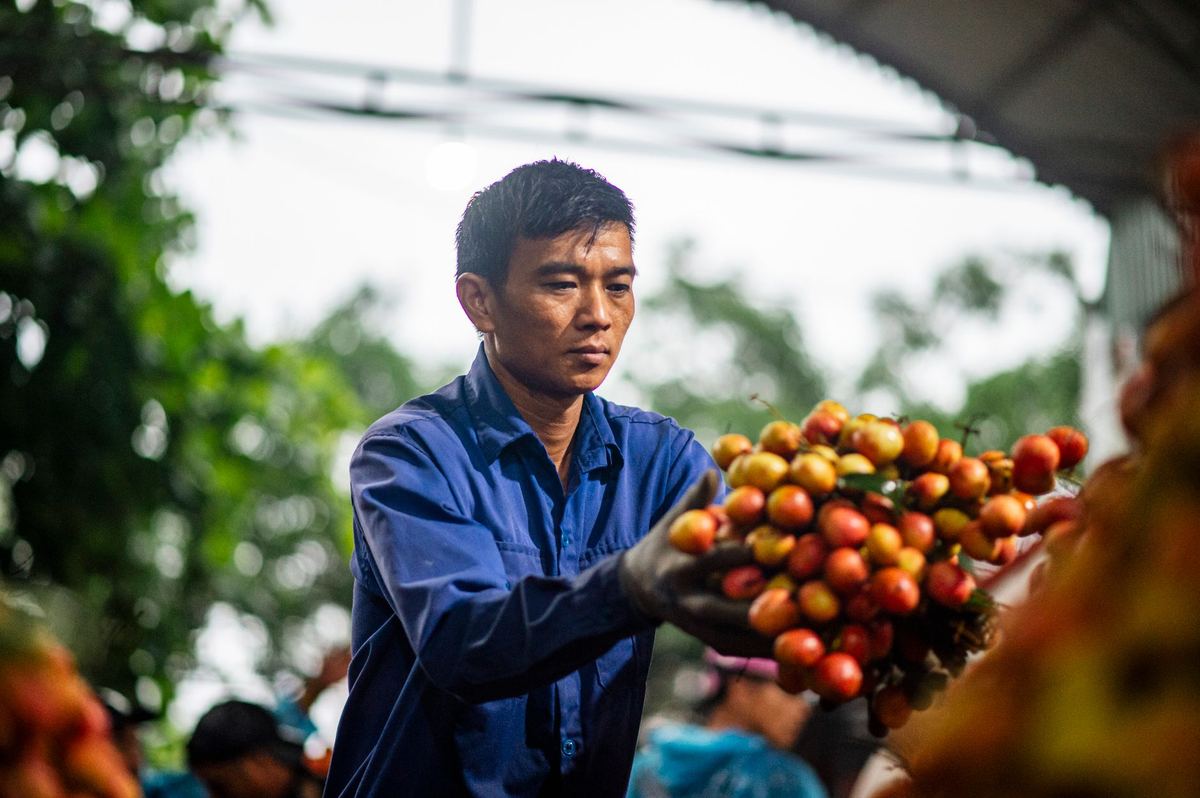
Remember that big export order for organic turmeric from Germany last year? Or the organic wheat going to a buyer in the US? It's a proud moment. You feel happy for your farmers in Maharashtra or Punjab. Their hard work is reaching global markets.
Then comes the paperwork. Specifically, making sure every single farmer's organic produce is properly linked in APEDA Tracenet. This can feel like a big headache. Especially when the EU or USDA NOP wants to trace every batch back to the field. Don't worry. This guide will make APEDA Tracenet lot traceability much simpler for you.
Connecting Every Farmer to Your Export Lot
One of the biggest challenges is linking individual farmer Tracenet registrations to specific export lots. Imagine collecting organic tomatoes from 50 different farmers in Karnataka. Each farmer has a unique Tracenet ID. How do you ensure all their produce is correctly recorded for one big shipment?
This is where farmer data Tracenet linking becomes key. It's not just about collecting numbers. It's about accuracy. Without it, your organic export compliance EU journey hits a roadblock.
Steps for Accurate Farmer-Lot Linking:
- Start Early with Data Collection: Don't wait until harvest. Collect your farmers' APEDA Tracenet IDs when they register for organic certification. Keep a digital record from day one.
- Use Digital Tools: Manual spreadsheets are prone to errors. Use a simple farm management software or a system like KrushiFlow. This helps you map each farmer's plot and expected yield.
- Batch Creation in Tracenet: When you create an export lot in Tracenet, you can add multiple farmer IDs. Make sure to enter the exact quantity sourced from each farmer. This links their produce directly to your lot.
- Cross-Verify: Before finalising, double-check the farmer IDs and quantities against your physical records. This quick step can save you 3 hours of re-work later.
By following these steps, you build a solid chain of custody. This meets the strict requirements of international buyers. It also makes your life much easier when it comes to organic exporter documentation.
Keeping Farmer APEDA Tracenet IDs Valid and Updated
You’ve done the hard work of connecting your farmers. But what if a farmer's APEDA Tracenet ID expires? Or was never correctly registered? This is a common problem. It can delay your organic export compliance EU approval. It might even lead to rejected consignments for USDA NOP Tracenet markets.
It's your responsibility to ensure all farmers in your organic supply chain have valid and updated APEDA Tracenet IDs. This is crucial for meeting stringent EU and USDA NOP traceability requirements for organic exports.
How to Manage Farmer Tracenet Registrations:
- Regular Check-ups: Set a reminder to check all your farmers' Tracenet ID status every six months. You can do this on the apeda.gov.in portal.
- Educate Your Farmers: Many farmers might not know how important Tracenet is for exports. Explain it simply. Tell them it helps their produce reach bigger markets.
- Assist with Registration: Offer help to your farmers. Guide them through the registration process on apeda.gov.in or pgsindia-ncof.gov.in. You could hold a small workshop in the village. Imagine registering 50 farmers in one day with proper guidance!
- Maintain a Master List: Keep a central record of all farmer Tracenet IDs, their validity dates, and contact information. This helps you track everything efficiently.
Your meticulous attention to Tracenet today ensures smoother, faster, and more profitable organic exports tomorrow. It’s an investment, not just a formality.
Streamlining Documentation & Meeting Buyer Needs
Collecting all the necessary organic exporter documentation from multiple farmer sources can be tiring. The thought of reducing manual data entry and errors is very appealing. Buyers in the EU or US often have very specific demands. They might ask for detailed Tracenet data linked to each farmer for a specific batch of organic mangoes.
Managing buyer-specific documentation requirements related to Tracenet data for international markets needs a smart approach. It’s not just about filling forms. It’s about building trust with your international buyers.
Tips for Seamless Documentation:
- Centralized Data System: Move away from paper files and scattered digital documents. Use a central system where all farmer Tracenet data, organic certificates, and transaction records live. This reduces errors by 90% and saves hours of search time.
- Pre-formatted Reports: Many buyers ask for similar information. Prepare templates for common reports. This includes farm details, Tracenet ID, crop quantity, and organic certification status.
- Digital Attachments: When uploading documents to Tracenet, ensure they are clear and correctly named. This makes audits much simpler. It also helps your buyer verify details quickly.
- Proactive Communication: If a buyer has unique Tracenet data requirements, try to understand them early. Adjust your internal processes to meet these demands before the export deadline.
When your documentation is organised and accurate, you build a reputation for reliability. This is gold in the organic export market. It ensures your organic export compliance EU and USDA NOP Tracenet shipments move smoothly.
Getting your organic produce from an Indian farm to global markets is a journey of pride. Don't let Tracenet traceability become a stumbling block. By paying attention to details, linking farmer data correctly, and keeping IDs updated, you simplify the entire process.
Your efforts in managing APEDA Tracenet lot traceability directly impact your export success. Make it easy for your farmers and for your business. Ready to make Tracenet easy and boost your organic exports? Talk to KrushiFlow today. We can help you streamline all your documentation and farmer data linking. Let's make your next export your smoothest one yet!